United Kingdom · Beginner guide
Getting back on the board after 20 years
Your body changed. The parks changed. The scene is still there — here is a practical plan for returning adult skaters.
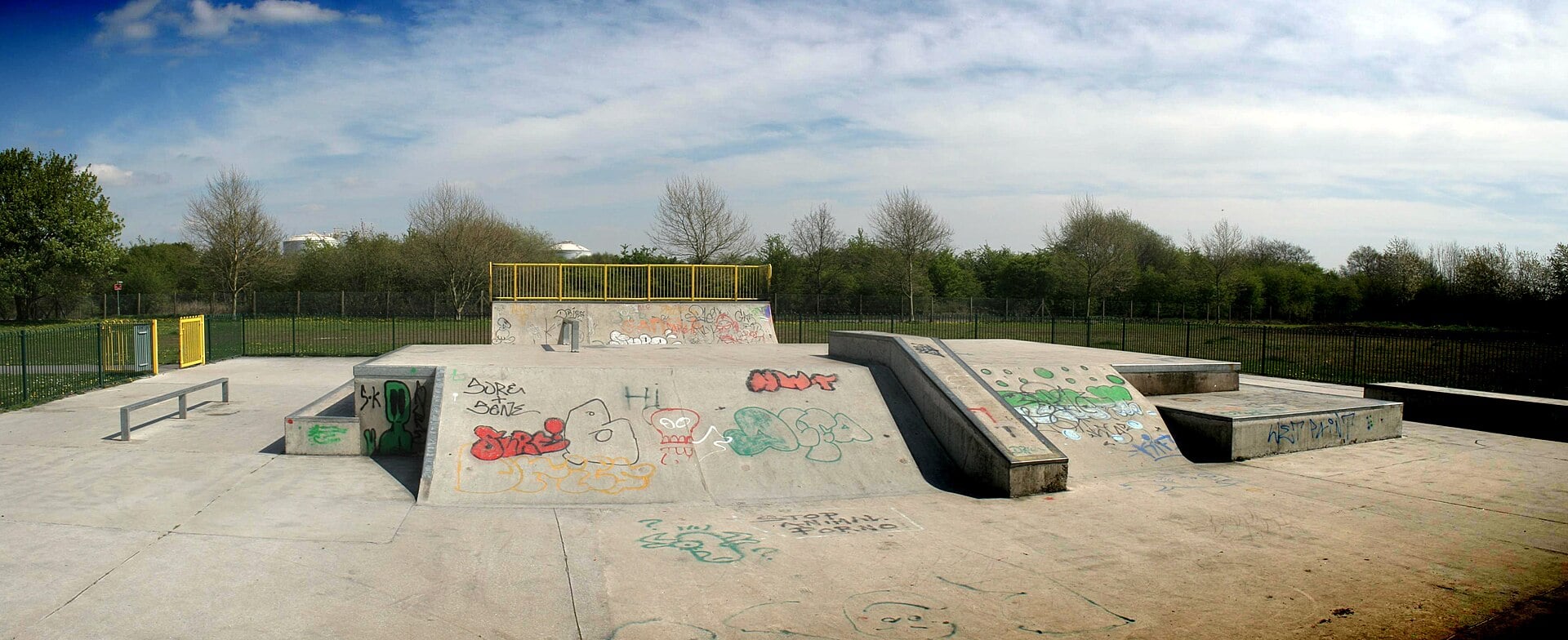
Skatepark in the UK
7 min read
You are not starting from zero
If you skated as a teenager, you still have muscle memory — balance, board feel, fear management. It is buried under desk jobs, kids, and stiff ankles, but it comes back faster than a complete beginner might expect.
You are also not the same person physically. That is normal. The goal is to enjoy skating again, not to prove you can still kickflip first session.
Reset your expectations
Then: Fall and bounce, skate all day, ego-driven sessions.
Now: Falls hurt more — pad up. Forty-five to sixty minutes is a solid session. Progress over perfection beats proving you can still kickflip on day one.
Give yourself four to six weeks of regular short sessions before judging whether "you've still got it."
Gear that makes a difference
- Helmet — non-negotiable for most returners
- Wrist guards and knee pads — cheap confidence for the first month
- A wider deck (8.25–8.5") — more stable if you are taller or heavier than you were at 16
- Softer wheels (90–95a) if you mostly ride rough outdoor concrete
Local shops like NOTE and Black Sheep can set you up without the hard sell.
Where to skate
NTLTS lists parks across the UK — here are some solid North West England options to start with:
Indoor (weather-proof, beginner-friendly):
- Projekts MCR — strong community, adults-only sessions, coaching
- Graystone Action Sports — large facility, lessons available
Outdoor (free, quieter off-peak):
Use our beginner-friendly filter to find parks rated well by other returners.
A sensible return plan
Week 1–2: Flat ground only — pushing, tic-tacs, kick-turns, relearning how to fall safely (bend knees, roll if you can).
Week 3–4: Small banks and mellow transitions. Stay away from the deep end until balance feels automatic again.
Week 5+: Revisit old tricks on small scale — manual pads, mini ramp, curb tricks. Film yourself; progress is easier to see on video.
The social side
Skateboarding as an adult can feel lonely if you only roll solo. Look for:
- Adults-only sessions at Projekts
- Local Facebook groups (search "Manchester adult skate")
- Sessions listed on NTLTS when our sessions directory launches
Saying "I'm getting back into it after years off" is usually met with encouragement, not judgement.
When to stop for the day
Stop if you are:
- Too tired to bail safely
- Frustrated and forcing tricks
- In pain (sharp pain, not normal muscle ache)
Consistency beats hero sessions. Two moderate visits beat one wrecked knee.
You are allowed to be a beginner again
The best part of returning as an adult is that nobody cares about your age if you are respectful and stoked to be there. Welcome back.
Ready to skate?
Find a beginner-friendly park near you and save it for later.